
REV4 / FIELD NOTES
How 3D Printing Changed Product Development
Prototype faster, validate fit earlier, and explore complex designs before committing to tooling.
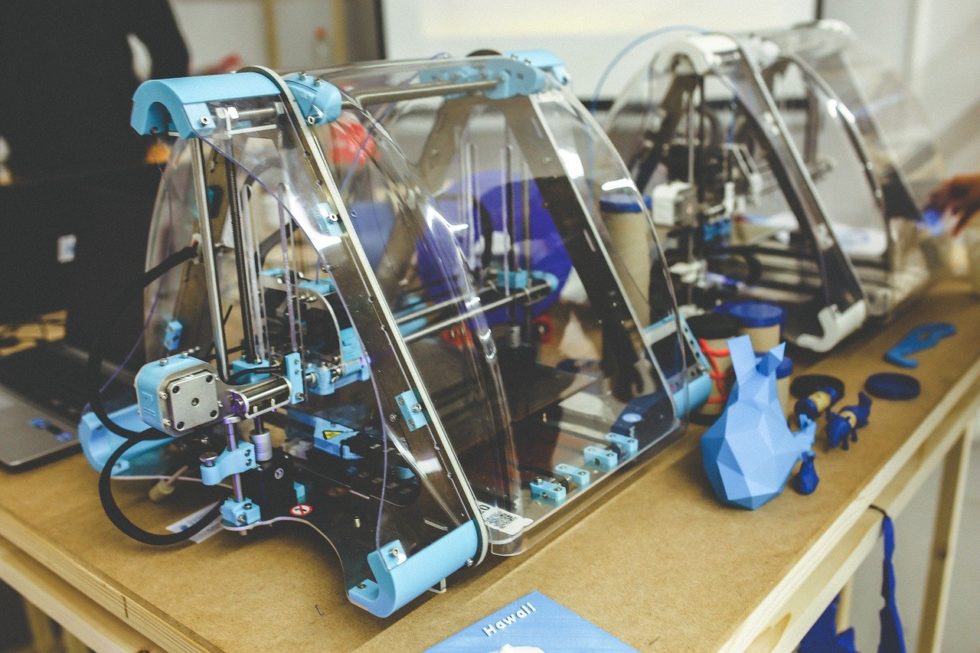
Adapted from an unpublished 2021 Rev4 article draft. Expanded and organized for the current website.
Rapid iteration changes the design cycle
The original Rev4 draft emphasized how additive manufacturing makes it easier to create batches of design alternatives, test physical fit and revise a prototype without committing to a complete tooling cycle. This is particularly useful when a product team must compare multiple concepts before it has high confidence in the design.
The link between testing and simulation
Physical prototypes can expose assembly, clearance and usability issues that are difficult to spot on a screen. Results can be compared with FEA or other analytical models, helping engineers update assumptions and refine the next iteration.
Complex geometries and practical limits
Additive manufacturing can enable intricate forms and consolidated parts, including applications in aerospace. But it does not eliminate tradeoffs: material properties, dimensional tolerances, support strategies, surface finish, qualification and manufacturing cost still require engineering judgement.
From prototype to production
The strongest use cases connect design exploration to a repeatable validation plan. Document what the printed article proves, what it cannot prove, and which requirements need verification by the intended production process.